OM. ← Back to CV

CHESS • RAISE CHESS ACADEMY • UGANDA

2025 Raise Chess Academy Initiative

A six-week online chess program for a selected group of children at Raise Chess Academy in Nakivale Refugee Settlement.

YEAR2025–2026
TYPEChess education
ROLEInstructor & partner
LOCATIONNakivale, Uganda
Children at Raise Chess Academy in an online chess class
Raise Chess Academy students learning together.

THE BEGINNING

Why this partnership began

In 2025, I partnered with Raise Chess Academy to design a training program for a small group of selected children.

The goal was to introduce intermediate chess concepts that would challenge the students creatively and inspire a deeper interest in pursuing chess at a higher level. Weekly classes were planned with RCA founder Julien Kanyonga to support the children’s growth and align with RCA’s mission.
THE ORGANIZATION

What is RCA?

Raise Chess Academy is a community-driven youth organization based in Nakivale Refugee Settlement in southwestern Uganda. RCA serves more than 500 refugee children and youth through chess, literacy, digital learning, mentorship, and life-skills programs.

It is more than a learning center: RCA is a trusted community hub where young people can build critical thinking, leadership, resilience, and a sense of belonging.

THE PEOPLE

Meet Julien and Team Black Pink

Julien Kanyonga founded and leads RCA, a refugee-led initiative shaped by his own experience of displacement and resilience. He recognized chess as a source of healing and a pathway for children to think, hope, and recover from trauma.

The six-student group chose the name Team Black Pink. The team included twin sisters Martte and Furaha Bahati, sisters Samiaty and Gloria Issa, and Nicholas and Felix.

The program moved through six chapters: board and piece setup, piece movement and mini-games, checkmate and stalemate, opening principles, beginner tactics, and complete games with a mini tournament.

OVERVIEW

The problem

During the first few classes it became clear that internet access was a fundamental resource the camp was struggling with.

There were sudden connectivity drops, and sometimes subscription problems that could not be resolved until funding became available. The children were fascinated by chess, but this was keeping them away from an important part of modern chess learning.

I first thought about offline materials like books and printed worksheets, but that would still cut them off from online puzzles, engine reviews, playing bots, and other digital tools. That is when I realized I needed to raise funds for digital equipment with offline chess capability.

HIGHLIGHTS

Key details

2Android tablets funded and prepared
3Organizations who stepped in to help
Apr 7Day the cohort received them, 2026

STORY

Solving it, one obstacle at a time

Every step of this came with a wall to get around.

  • Shipping. Sending tablets from the United States to Uganda cost almost as much as the devices themselves. I nearly gave up.
  • Cold emails. I reasoned that some NGOs already had shipments heading to Uganda, so I emailed several. Peyton Thomas from Speakers for Africa agreed to help if I shipped to their Colorado location.
  • Budget. I made the case to family and friends and, after a lot of conversations and convincing, gathered enough to buy two economical Android tablets.
  • Delivery. Julien from Rosie Chess Academy let us know that Russ Makofsky, founder of The Gift of Chess, would be in Nairobi in March 2026 and agreed to hand the tablets directly to Julien.

When the tablets arrived at my front door I already had a list ready — chess games, light engines, and other learning content. I spent a couple of hours that evening setting them up, and then it was just counting days.

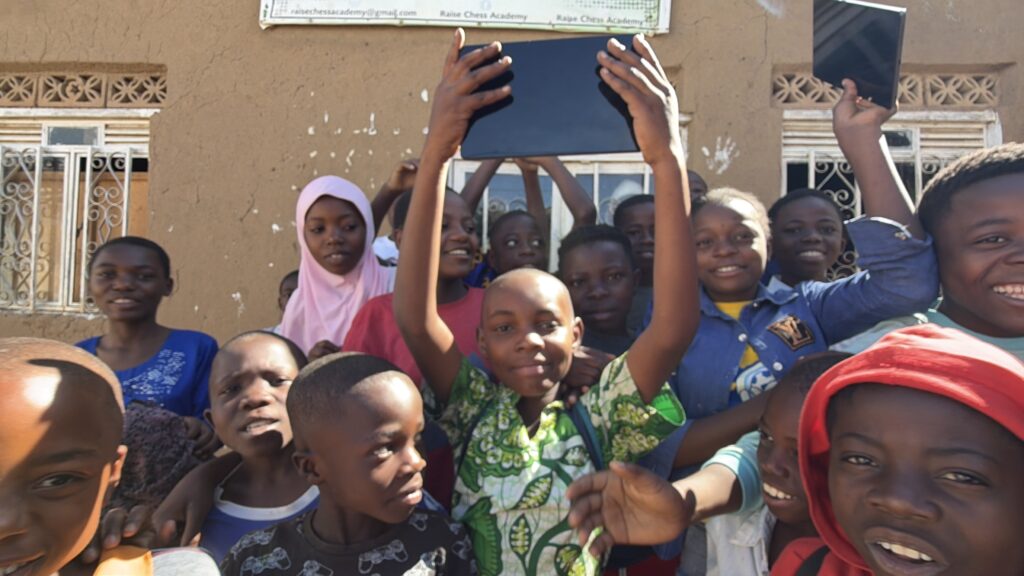
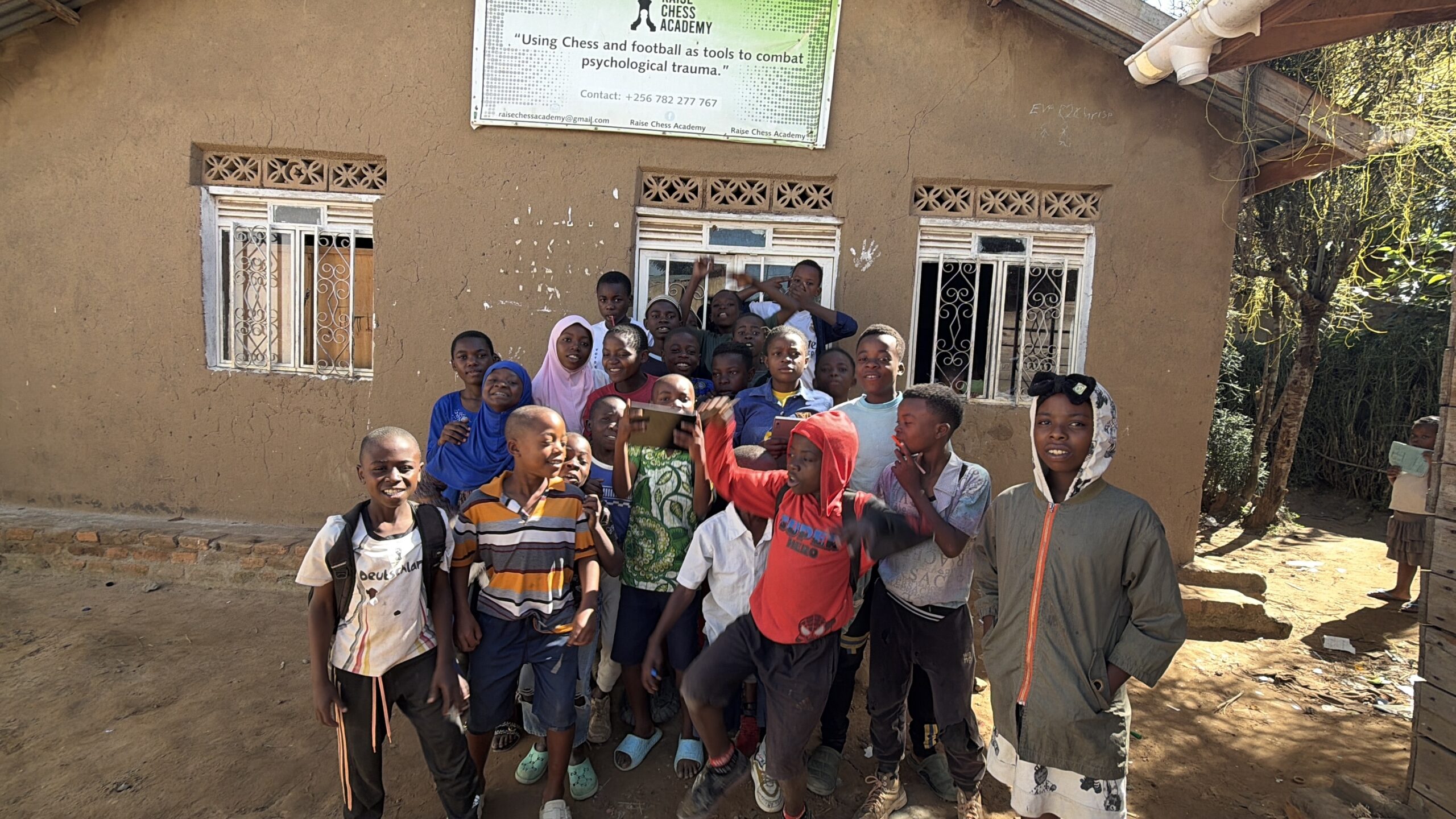
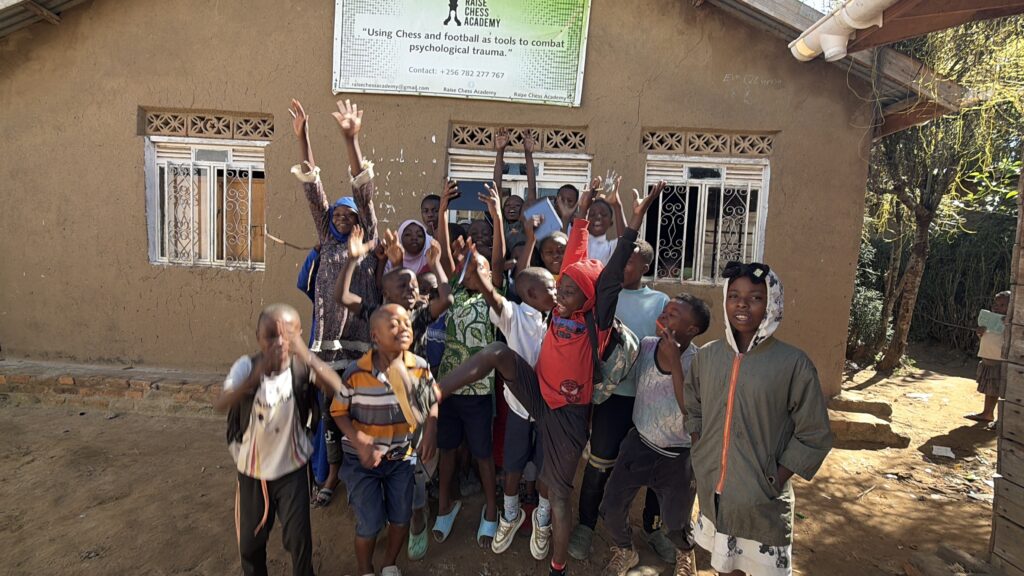
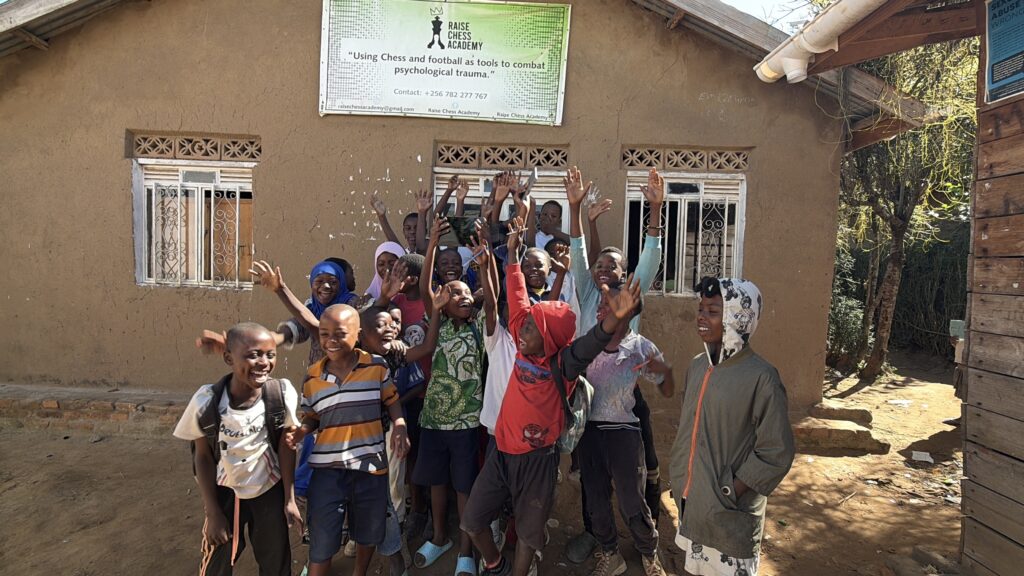
On April 7, 2026, Julien confirmed he had collected them. Then came the surprise: a video of my cohort thanking me. The journey started with a simple thought and ended with a video that made every bit of effort worth it.

Children celebrating with the newly delivered tablets
A few precious moments — the tablets arrive.

EVIDENCE

Photos & documents

Moments from the delivery. Select any photo to view it larger.

REFLECTION

What I learned

The chess part of this project was the easy part. The real work was logistics, budgeting, and asking strangers for help — and learning that people will often say yes if you explain clearly why it matters.